
Matching Old Flooring: 5 Issues with Hardwood
By Stephen Ondich| Updated September 29, 2026
When it comes to renovating hardwood flooring, one of the most daunting tasks is dealing with the existing old flooring. Whether you’re fixing water damage, removing a wall to open up space, or simply replacing worn sections, matching old floors can feel like an impossible task.
Hardwood floors in old houses have a unique character—developed over decades of foot traffic, sunlight, and natural aging. New hardwood flooring often fails to replicate the appearance of the original floor. Homeowners envision seamless integration between the old & new floor where it’s difficult or impossible to distinguish the original from the repair area, but reality often hits hard with mismatches in color, grain, patina, lengths and even profile..
At Commercial Forest Products, we’ve helped installers, contractors, designers, homeowners and architects with these challenges for years. Searching Reddit’s like r/HardWoodFloors and r/HomeImprovement, confirm these widespread issues come up every time renovation work is like this is done & old wood floors are involved..
So we decided to break down the 5 biggest hurdles to old flooring replacement projects. Understanding these issues upfront can save you time, money, and frustration. In this comprehensive guide, we’ll explore the five most difficult aspects of obtaining and installing replacement hardwood to match old floors, along with practical tips, solutions. This article aims to equip you with the knowledge for a successful project.
From sourcing rare wood species to achieving that elusive historic patina, let’s dive into the challenges of preserving the charm of your historic home floor while updating its integrity.
The Importance of Matching Old Floors in Older Homes
Older homes, especially those built before the mid-20th century, often feature narrow-plank hardwood old flooring that’s become a hallmark of their era. Think 2- to 3-inch white oak strips with a warm, amber glow from years of oxidation. When damage strikes—be it from plumbing leaks, pet scratches, or structural shifts—replacing sections without disrupting the overall look is key to maintaining property value and aesthetic appeal.
However, matching old floors isn’t just about aesthetics; it’s about functionality too. Mismatched boards can create trip hazards, uneven wear, and even structural issues if thicknesses don’t align. According to discussions on flooring forums, many homeowners underestimate the complexity, leading to costly do-overs. For instance, a Reddit user in r/Flooring shared their ordeal with a kitchen remodel: “I thought new oak would blend in, but the color difference was stark—even after staining.” This highlights a common pitfall in old flooring projects.
Experts recommend starting with a thorough assessment. Measure board dimensions, identify the wood species (often via a professional appraisal), and document the finish. Tools like wood identification kits or apps can help, but nothing beats experience. As one contractor noted in a 2024 thread, “Old flooring has stories etched into it; new wood is a blank page.” By prioritizing matching old floors, you preserve the soul of your home while avoiding the eyesore of patchwork repairs.
Challenge 1: Sourcing Exact Matching Wood Materials for Old Flooring
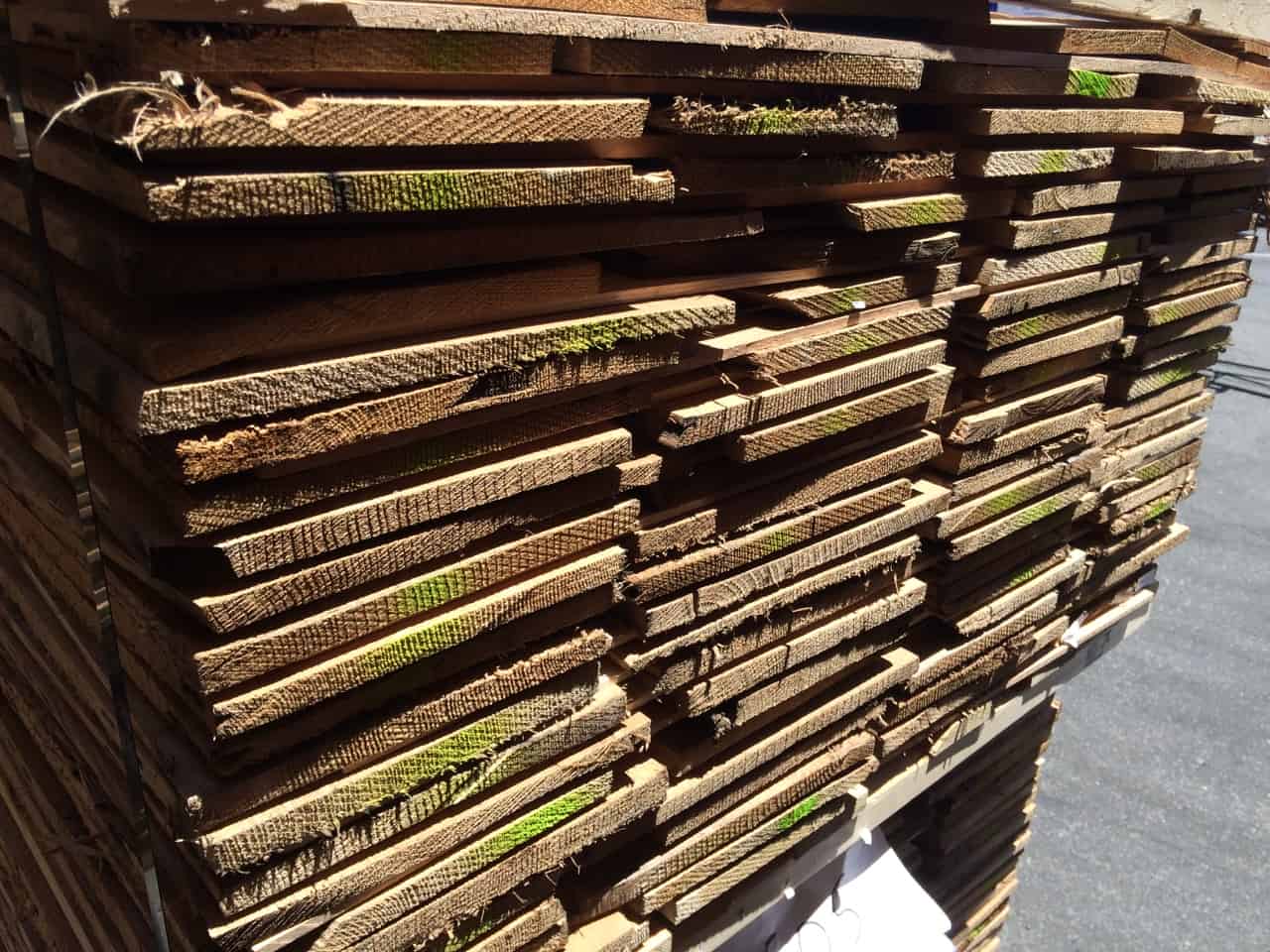
The first and often most frustrating hurdle in matching old floors is finding wood that mirrors the original in every detail. Old flooring in vintage homes typically uses species like heart pine, quartersawn oak, or maple, cut in narrow widths (2-3 inches) and thinner profiles (1/4- to 1/2-inch thick). Modern mills prioritize wider, thicker engineered planks for contemporary builds, making exact replicas scarce.
Why is this so tough? Discontinued production lines mean you can’t just order from a catalog. Reclaimed wood from salvage yards or deconstructed barns is a popular alternative, but it’s inconsistent—boards may have nail holes, varying grains, or hidden damage. Costs skyrocket too; expect to pay $10-20 per square foot for quality reclaimed versus $5-8 for new. In a 2024 Reddit post on r/HomeImprovement, a homeowner lamented, “I need matching floors to patch the holes. As close as possible… but it’s just one or two boards.” Contractors echoed this, advising custom milling from lumberyards, which adds weeks to timelines and hundreds to budgets.
Misidentification compounds the issue. White oak versus red oak? The former ages to a golden hue, the latter reddish—mix them, and your old flooring repair screams “new.” Pros suggest sending samples to labs for analysis. For small patches, eBay or Craigslist can yield finds, but quality varies. One forum tip: Buy extra for future repairs, as batches differ.
Solutions include partnering with specialty suppliers like Goodwin Heart Pine or local reclaimers. If exact matches elude you, consider weaving in new boards gradually or opting for a full refinish to unify everything. Remember, matching old floors starts with patience—rushing leads to regrets.
Expanded examples: In a 1920s bungalow renovation shared on r/centuryhomes, the owner uncovered lighter wood under carpet that clashed with adjacent rooms’ patina. They sourced reclaimed from a similar-era demolition, but thickness variances required shimming. Another case from r/Flooring involved a 1940s home where longer board lengths were key; modern stock averaged shorter, forcing custom orders.
To optimize your search for old flooring materials, use keywords like “reclaimed vintage oak” online. Budget for testing: Stain samples on scraps to preview aging. Ultimately, this challenge tests your resourcefulness, but nailing it sets the stage for seamless integration.
Challenge 2: Achieving Color and Patina Match in Matching Old Floors
Even with the right wood, replicating the color and patina of old flooring is a master-level skill. Patina—that soft, lived-in glow—comes from UV exposure, oxidation, and wear, turning fresh wood’s brightness into mellow tones over decades. New or reclaimed boards start “too fresh,” as one installer put it in a 2023 forum thread.
Staining helps, but custom mixes (e.g., blending Minwax Golden Oak with Provincial) rarely age identically. Time reveals differences: New areas might yellow faster or fade unevenly. A 2024 Reddit discussion on r/HardWoodFloors warned, “Even if you got lucky and managed to match the color perfectly, finishes age slightly differently. Whatever the new finish is… a year from now you’ll see the difference.”
Real-world woes abound. In a kitchen expansion, contractors struggled with 50-year-old flooring, hand-planing new oak to mimic grain raise but still noting tonal shifts under light. Species mismatches exacerbate this—white oak darkens amber, red oak pinkish. Forum pros recommend water-popping (wetting to open pores) before staining for better absorption.
Tips for success: Test multiple stains on site, factoring in room lighting. Use aging techniques like fuming with ammonia for oak or distressing with chains for texture. If patching small areas, pull boards from closets to intersperse, creating a natural gradient. For matching old floors, patience post-install is key—avoid direct sun on new sections initially.
Broader advice: Consult color-matching apps or hire a finisher specializing in historic restorations. Costs? $3-6 per sq ft for custom work. Avoid DIY if inexperienced; botched stains mean sanding everything. As shared in a 2025 post, “Your new floors will darken as they get older and will then match the old existing floor.” Embrace the process for authentic old flooring results.
Challenge 3: Matching Finish and Sheen Levels for Old Flooring
The finish on old flooring—that subtle, worn sheen from natural oils and polishes—clashes with modern polyurethanes’ initial gloss. This creates visible contrasts at seams, especially where rugs hid fading. Matching old floors requires dialing in sheen (matte vs satin) and durability.
Old finishes dull organically; new ones start shiny, wearing unevenly. A veteran installer on r/Flooring advised, “Consider having a custom mixed stain matched to the same intensity… water down a stain color until it matches the sun-faded or dulled tones.” But long-term, traffic patterns differ, exposing mismatches.
Examples: In a 2015 thread, a homeowner’s patch gleamed brighter, requiring buffing. Another 2024 case involved oil-based vs water-based finishes—oils penetrate for authenticity but take longer to cure.
Solutions: Opt for penetrating oils like Rubio Monocoat for natural aging. Test sheens on scraps; aim for 20-30% gloss to mimic worn old flooring. Full refinishing unifies, but it’s invasive. Pros charge $2-4 per sq ft; DIY kits from Bona help but demand skill.
For matching old floors, factor in maintenance—use compatible cleaners to prevent stripping. This challenge underscores why partial repairs often lead to whole-room overhauls.
Challenge 4: Ensuring Level Surface and Thickness Compatibility in Matching Old Floors
Uneven subfloors in older homes make old flooring replacements tricky—new boards protrude or sink, creating “toe catchers.” Thickness mismatches (e.g., 3/4″ original vs 1/2″ new) demand shimming or planing, risking damage.
Forum horror stories: A 2021 r/HardWoodFloors post detailed thin 1920s boards unsandable without exposing nails. Reclaimed varies, needing custom underlayment. “The two areas aren’t level; the only way to correct it is to drum sand it all,” advised one pro.
Tips: Measure subfloor flatness with a straightedge; use self-leveling compound if needed. For matching old floors, source identical profiles or mill down. Full sanding ($1-3 per sq ft) ensures flush, but dust is messy.
This issue highlights structural prep’s importance in old flooring projects.
Challenge 5: Creating Seamless Transitions and Avoiding Visible Seams
Blending new into old flooring without obvious seams requires precision cuts and alignment. Cupped or gapped old boards complicate this; residues or holes telegraph repairs.
Contractors shy from small patches: “Piecing in flooring is an artform and many flooring contractors simply do not want to mess with it,” per a 2024 thread. Use T-moldings for doorways, but they’re bandaids.
Solutions: Dutchman patches or interspersing old/new for gradients. Skilled labor costs $50-100/hour. For matching old floors, clean seams meticulously.
Tips for Successfully Matching Old Floors
-
Assess early: Hire inspectors for wood ID.
-
Budget buffer: Add 20% for surprises.
-
DIY tools: Sanders, stains, but know limits.
-
Alternatives: Overlays or LVP if hardwood fails.
-
Eco options: Sustainable reclaimed sources.
When to Call a Professional for Old Flooring Replacement
If patches exceed 10 sq ft or involve structural work, pros ensure code compliance. Look for NWFA-certified installers experienced in historic homes.
Common Mistakes to Avoid in Matching Old Floors
-
Ignoring species: Leads to color drift.
-
Skipping tests: Stain mismatches.
-
Rushing install: Warping issues.
Conclusion
Matching old floors in older homes preserves heritage while updating functionality. By tackling these challenges head-on, your old flooring project can shine. For more tips, explore BobVila.com’s renovation guides.