Quarter Sawn Walnut Lumber: What is it?
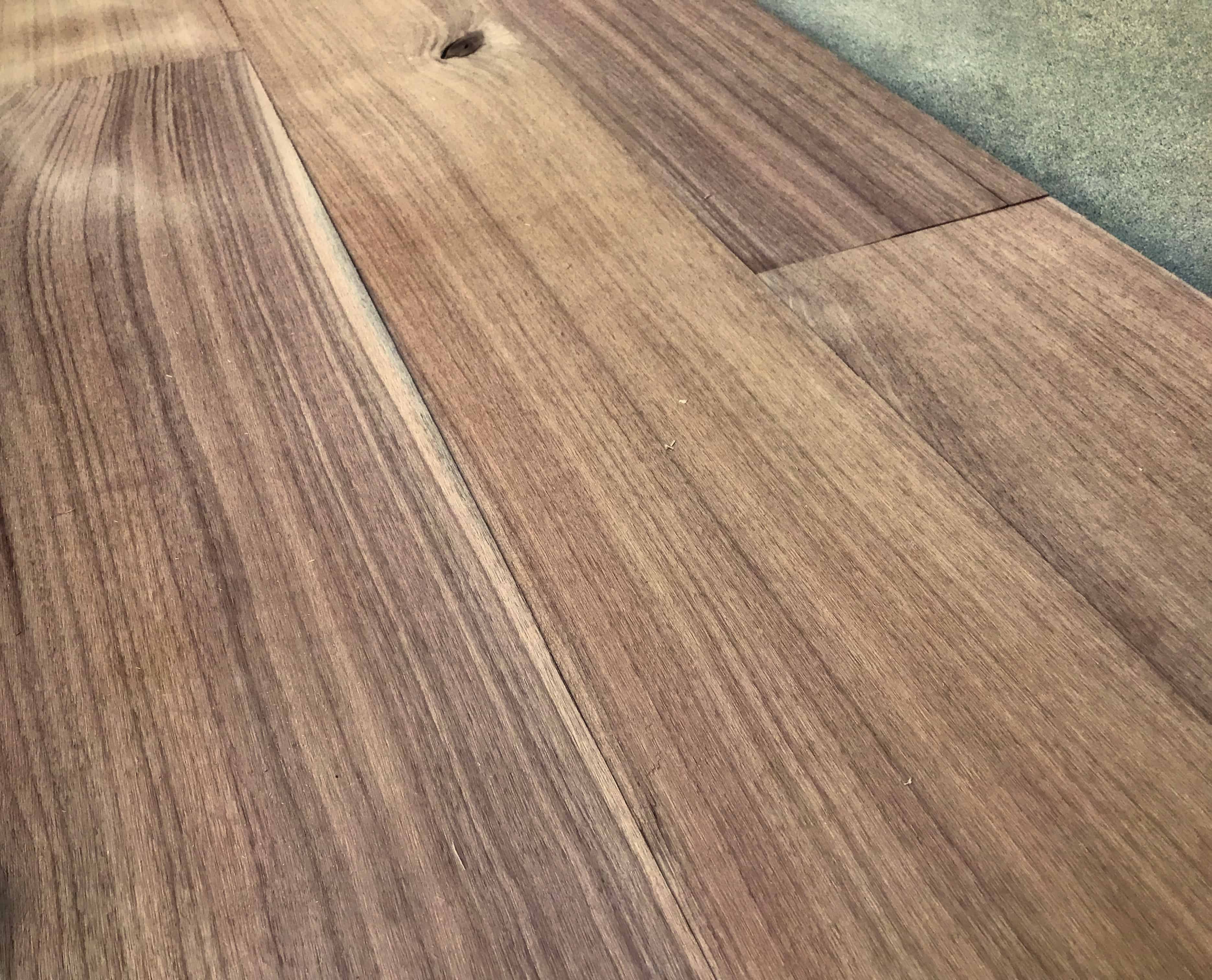
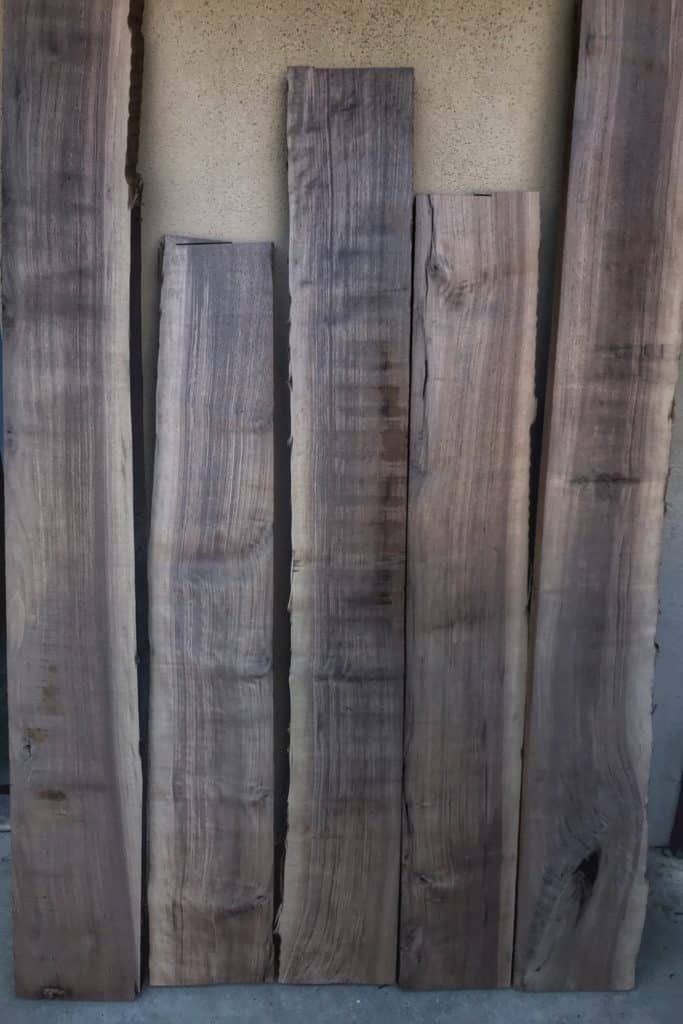
Quartersawn Walnut is simply Black Walnut lumber cut in a quarter-sawn grain orientation.
Juglans nigra, the eastern American black walnut, is a species of deciduous tree in the walnut family, Juglandaceae, native to North America. It grows mostly in riparian zones, from southern Ontario, west to southeast South Dakota, south to Georgia, northern Florida and southwest to central Texas. Wild trees in the upper Ottawa Valley may be an isolated native population or may have derived from planted trees.
Black walnut is an important tree commercially, as the wood is a deep brown color and easily worked.
source: Juglans nigra (Wikipedia)
Walnut Lumber Data
| Scientific Name | Juglans nigra |
|---|---|
| Common Names | Eastern Black Walnut |
| Family | Juglandaceae |
| Genus | Juglans |
| Higher Classification | Fagales |
| Rank | Family |
| Kingdom | PLantae |
| Region of Origin | Appalachian, East Coast, Mid West, North America, United States |
| CITES Appendix | No |
| IUCN Red List of Concern | No |
| Durability | High |
| Density | Medium |
| Janka Rating | 1020 |
| Scent | None |
| Average Weight (LB) per Board Foot (KD) | 3.0 |
| Average Board Width (inches) | 6.75 |
| Average Board Length (feet) | 8.75 |
| Average Tree Diameter (inches) | 30 |
| Average Tree Height (feet) | 115 |
| Texture | Medium, Uniform |
| Heartwood Color | Brown, Chocolate, Purple |
| Sapwood Color | Cream, Pale, White |
| Grain Type | Fine, Uniform |
| Heart/Sap Distinction | Strong |
| Drying Difficulty | Low, Low risk of kiln defects |
| Commercial Availability in US | High |
| Cutting Ease | High, Machines well |
| Glue Difficulty | Low |
| Color Tone | Brown |
| Stability | High |
| Finish Difficulty | Low |
| Thickness Availability | 10/4, 12/4, 16/4, 4/4, 5/4, 6/4, 8/4 |
| Plain Sawn Availability | Yes |
| Quartersawn Availability | Rarely, Yes |
| Live Sawn Availability | Yes |
| Veneer Availability | Yes |
| Grades Available | #1 Common, #2 Common, FAS, Select |
| Milling Available | Edge Glue, Gang Rip, Rough-sawn, S2S, SL1E, SL2E |
| Millwork Wood | Rarely |
| Birdseye Figure | No |
| Curl Figure | Rare, Yes |
| Quilt Figure | No |
| Flame Figure | Rare, Yes |
| Furniture Wood | Yes |
| Turning Wood | Yes |
| Flooring Wood | Yes |
| Guitar Wood (Acoustic) | Yes |
| Guitar Wood (Electric) | Yes |
| Price | $$, $$$ |
| Similar Species | Butternut, Cherry, Claro Walnut |

Quarter Sawn Walnut Lumber is Scarce
Quartersawn Walnut is rarely offered as a wood option. Accordingly, it is often sought out by architects, designers and homeowners seeking a unique premium option.
Why Is It Rare?
Walnut lumber is plentiful. It is a responsibly harvested wood. Additionally, it is not on CITES or listed as a specie of concern by the International Union for Conservation of Nature.
Further, it is regularly made into plain-sawn lumber. However, few sawmills manufacture quartered walnut wood. This is true even among mills who slice quartered logs regularly.
There are several reasons for this.
- Log size – Walnut trees have a relatively narrow average diameter. Thus, quarter cutting logs often yields narrow width lumber boards.
- Sapwood – Due to the stark heartwood / sapwood contrast of walnut it is difficult to saw wide boards without a calico color appearance.
- Marketabilty – Plain-sawn walnut sells well universally. Additionally, while rift/quartered walnut sells at a premium over plain-sawn, the price spread moderate. Further, consumer demand is volatile. Thus, few sawmills opt to deal with the limited markets and production issues for a questionable return on investment.

Technical Information
- Scientific name: Juglans nigra
- Alternative Names: Eastern Black Walnut
- Region of Origin: Appalachian United States, Midwest United States, Northern United States, Canada
- Average Dried Weight: 39 LB/cubic foot
- Janka Hardness Rating: 1020
- Specific Gravity: .62
- IUCN Red List: No
- CITES wood: No