
Technical Information
- Scientific name: Cedrela Odorata
- Alternative Names: Cedro, Cigar Box Cedar, Mexican Cedar
- Region of Origin: South America, Africa
- Average Dried Weight: 29.5 LB/cubic foot
- Janka Hardness Rating: 600
- Specific Gravity: .48
- IUCN Red List: Yes
- CITES wood: Yes
Cedar for Guitars
Spanish Cedar has long been used for classical acoustic guitar construction.
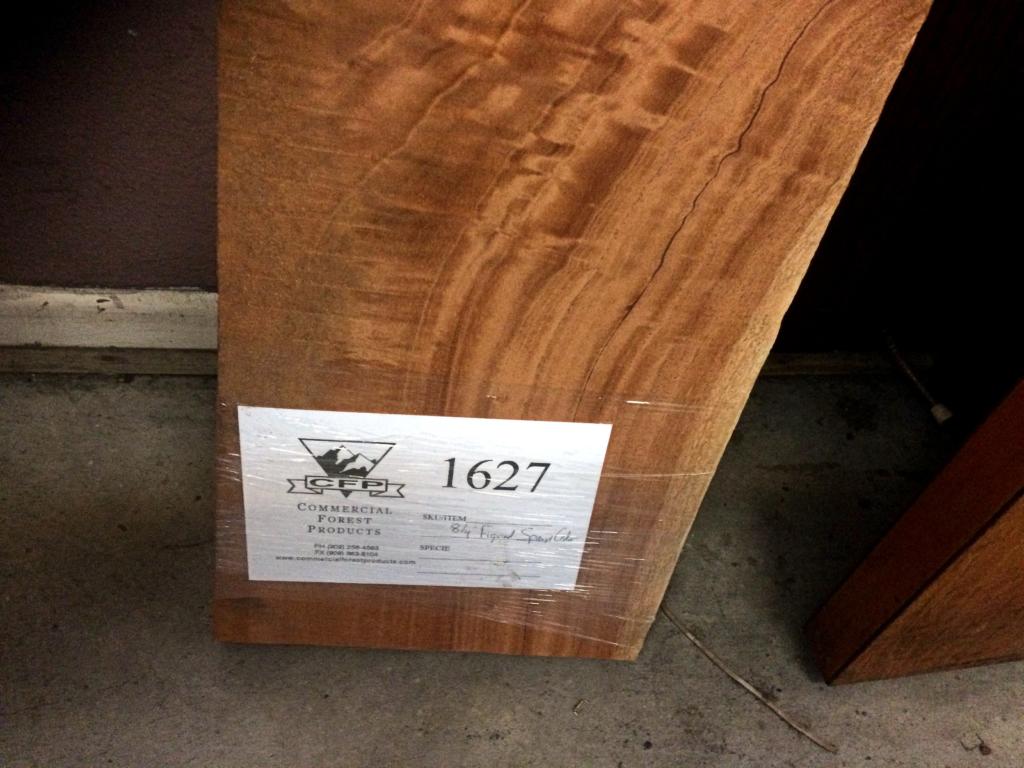
Over the past 30 years, it has gained a following among luthiers as an electric guitar body wood. It is a good substitute for Genuine Mahogany in appearance. Additionally, the weight typically runs 15-20% lighter than Genuine Mahogany. Thus, it’s often presented as a lightweight Mahogany alternative tonewood.

Limited run Spanish Cedar Bass
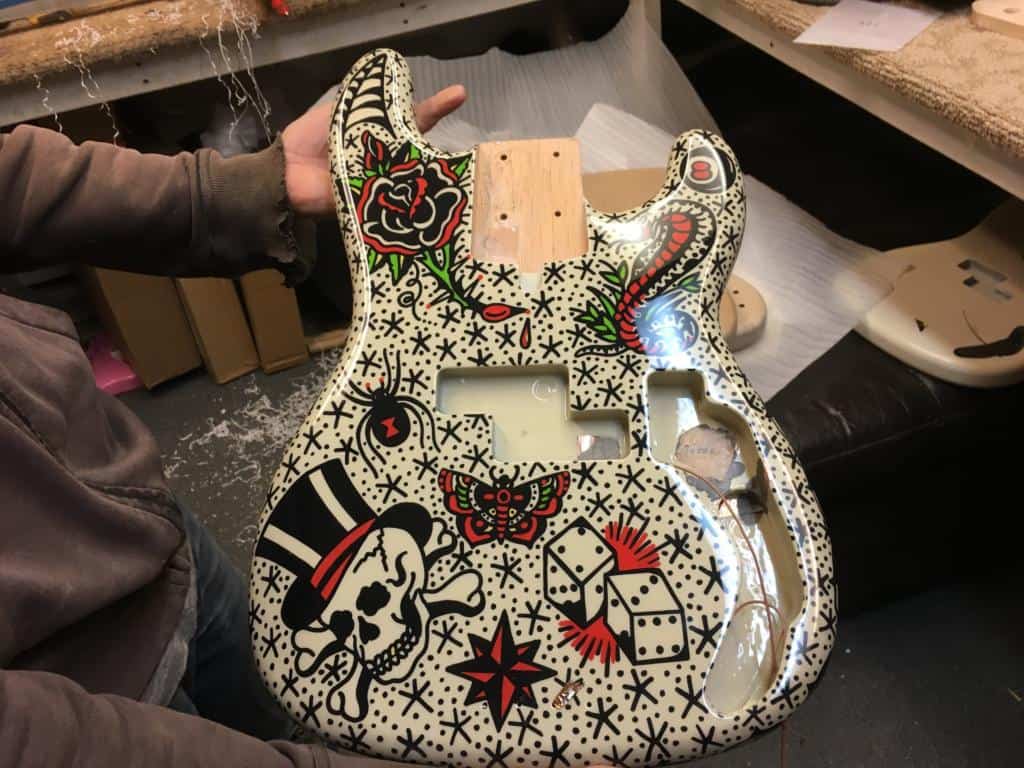
In 2017, we were proud to supply the Spanish Cedar body wood for a limited run of electric bass guitars. The run was commissioned by Eric Wilson of Sublime, Sublime with Rome and the Long Beach Dub All-Stars.
These instruments were painted (masterfully, by the way). Thus, I was a little surprised by the choice of wood. Alder, poplar and basswood all paint well and are more readily available than Cedro.
However, Eric was impressed by the weight and acoustics of the Spanish Cedar. It was a conscious decision, not one of convenience.
South American Old-growth Spanish Cedar
Cedro produced in South American countries grows slower and more consistently than Cedro produced on African plantations. South American Cedro is also more expensive and a better Genuine Mahogany substitute than its African counterpart.
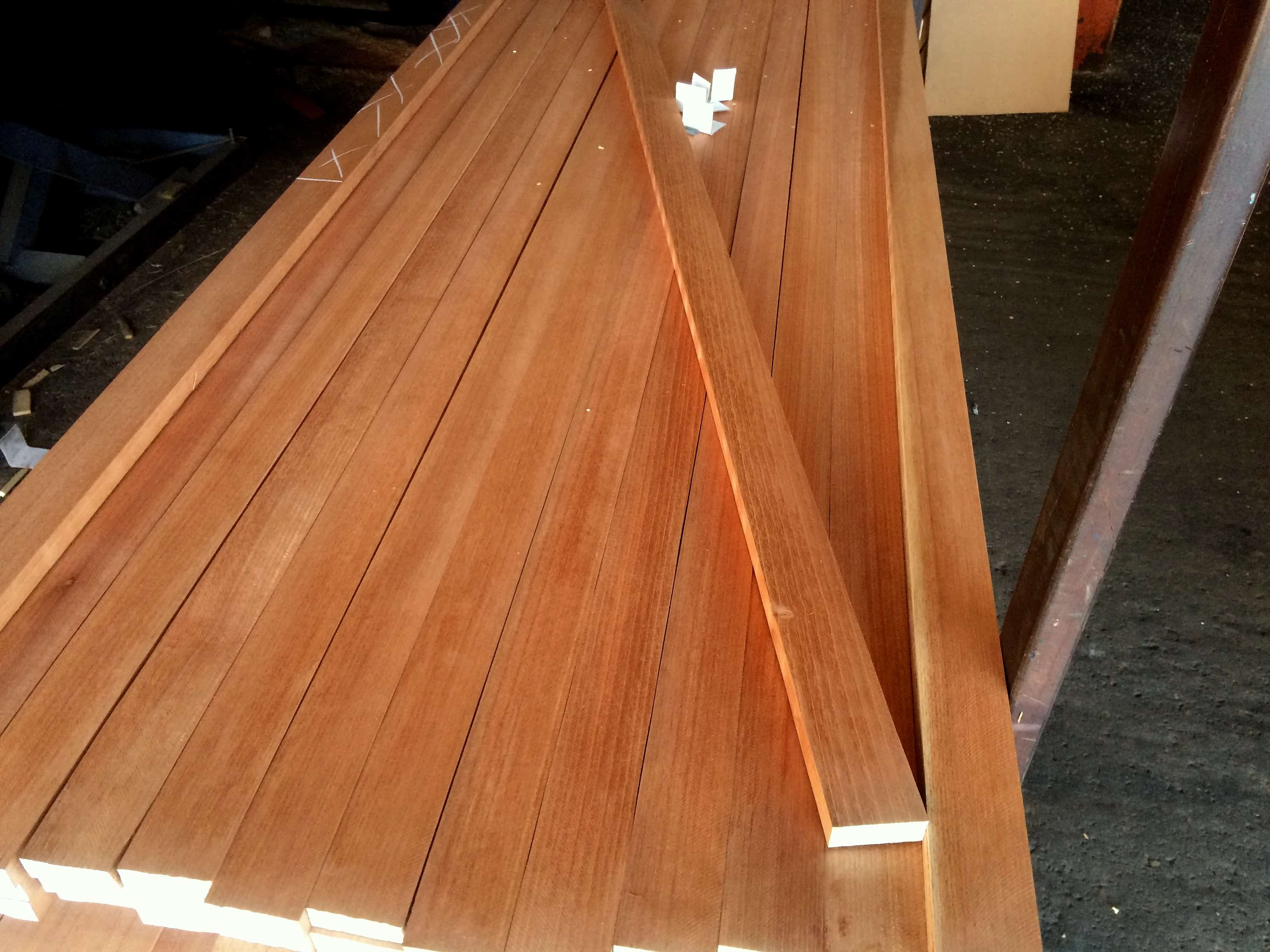
The Spanish Cedar depicted in the title picture is from Brazil. Its color is rich and consistent. The grain runs uniform Also, there are almost no pin knots or resin streaks.
As noted in humidor-guide.com, Spanish Cedar is the preferred wood of humidor manufacturers. However, resin bleeding, seeping or whatever you want to call it, can damage cigars. Also, there are liability and reputation concerns.
It’s disconcerting to think that a humidor may possibly start leaking resin in the future.
In our experience, South American Spanish Cedar is substantially less likely to bleed resin than African. I honestly do not know if this is due to soil composition, growth rate or quality of kiln drying. It’s likely a combination of the three.
What is resin-bleeding?
Online Spanish Cedar woodworking and humidor forums are filled with questions related to resin bleed.
Resin bleed is a release of resins from inside of the wood to the wood’s surface.
The resin is clear but tacky. It is almost like super glue that has not yet hardened.
Removing Resin
You can remove the resin by applying acetate and sanding. However, since the resin is released from the interior of the wood, it may happen repeatedly and unpredictably.
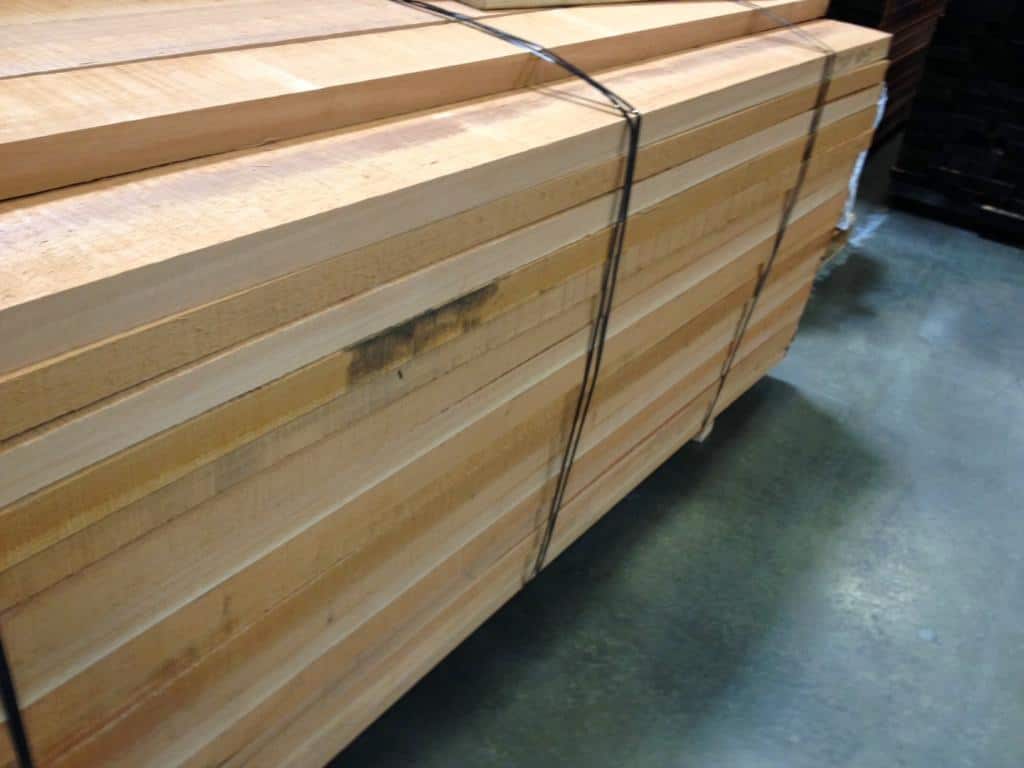
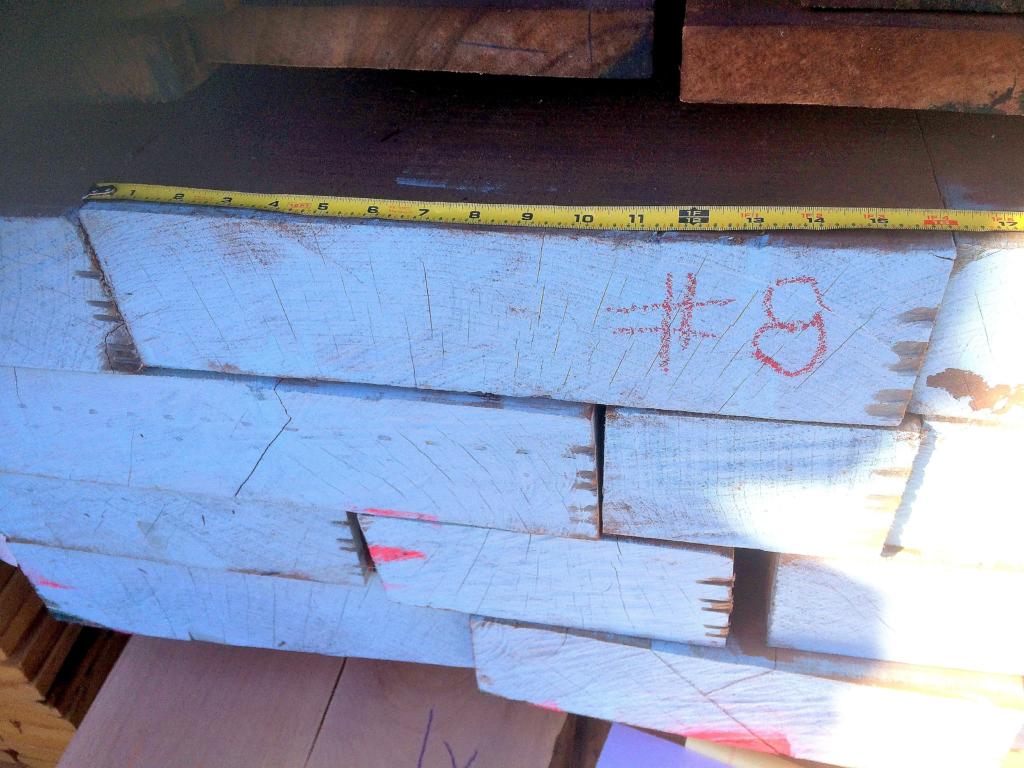
8/4 Spanish Cedar African production with lighter color and density.
African Plantation Grown Spanish Cedar
Plantation grown Spanish Cedar has a dubious reputation in the hardwood lumber industry.
I view plantation cedar like car salespeople. There are definitely good car salespeople out there but the shady ones have extensively damaged their reputation, as a group.
Almost every sawmill that distributes plantation cedar claims their production/sawmill/quality control is good. They claim to be much better than the rest of the plantation cedar on the market.
Rarely have I found this to be true. From an NHLA lumber grading standpoint, African Cedar is abysmal.
Most buyers of imported hardwood assume the lumber is select/better grade or close. However, plantation Spanish Cedar can be riddled with pin knots. When the cedar is rough-sawn, pin knots are hard to see.
Do not assume that African plantation cedar is clear simply because you’re only being offered one grade.
Two important questions to ask your supplier before buying African Spanish Cedar:
- Is it graded against pin knots? If the answer is yes, that’s still not a guarantee but at least you may have some recourse later.
- What is the country of origin?
Additionally, plantation cedar can have very open and wild grain.
From a tooling perspective, African Spanish Cedar is prone to silica. This causes grain fuzz and dull knife blades.
African plantation Cedro has a few advantages over South American Cedro:
- It is approximately half the cost of South American production.
- Production is widely available.
- Grown under controlled conditions.
- Density is low and weight is light.
- When you find a good run, it is easy to sell.